Zillow Lost $800M Proving This Point
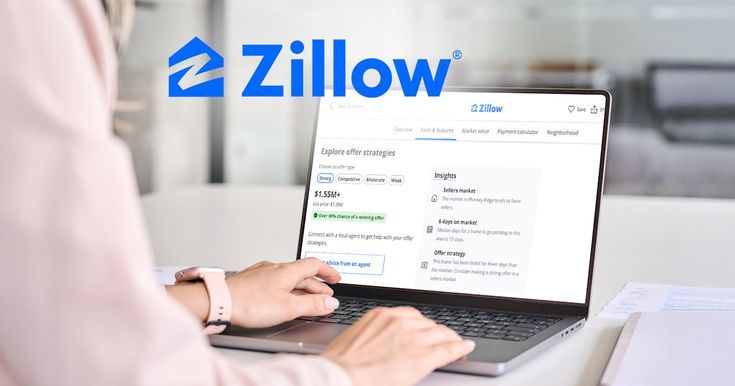
When it comes to real estate, everyone loves checking their Zestimate. It’s quick, it’s convenient, and it feels like a real number you can trust. But here’s the truth most homeowners don’t hear enough: Zillow doesn’t actually know what your home is worth.
A few years ago, Zillow decided to put their confidence—and billions of dollars—behind their own algorithm. They launched a program where they bought homes based on the same Zestimate homeowners see online. And instead of making money flipping them, they ended up losing over $800 million before shutting the entire operation down.
Why did it fail?
Because real estate isn’t something a nationwide algorithm can accurately predict.
Algorithms can’t see upgrades. They don’t walk neighborhoods. They can’t tell you why one street sells faster than another, or why backing up to a park adds value while backing up to power lines might hurt it. They don’t know what a cul-de-sac feels like, and they can’t appreciate a beautifully remodeled kitchen.
Zillow reads data not details. And that’s where online estimates fall short.
Now, to be fair, Zillow isn’t the villain here. It’s fantastic for browsing, researching, and getting a general ballpark of home value or trends. But when it comes to pricing your home, preparing to sell, or making one of the biggest financial decisions of your life, you need more than a national algorithm.
You need someone who knows the local market, the neighborhoods, and the features buyers in your area actually pay for.
So the next time you pull up your Zestimate, keep this in mind: even Zillow couldn’t rely on it enough to stay profitable in their own home-buying business.
If you want a real valuation not a guess, reach out. I’m happy to break down the details that algorithms miss.
Watch our IG video here
Categories
Recent Posts