
Arizona Soil Tips Every Homeowner Should Know
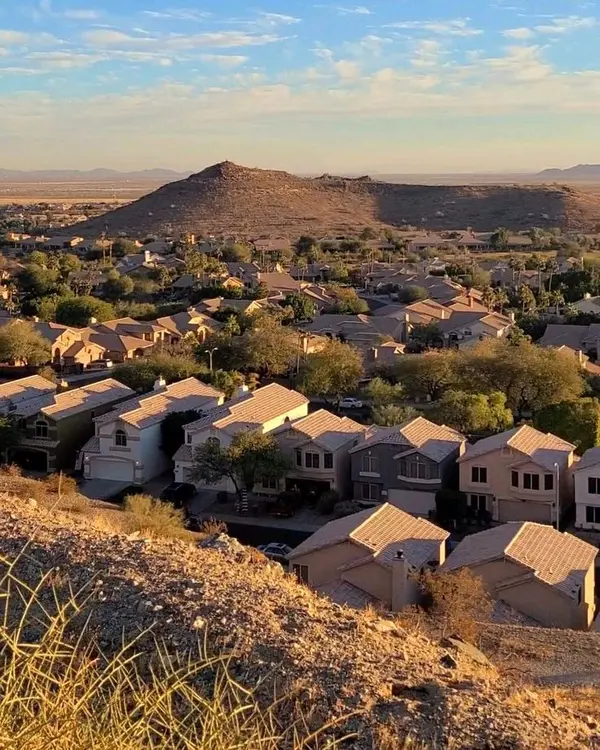
If you've ever tried planting flowers, vegetables, or shrubs in Arizona, you've probably noticed that gardening here is a little different. Arizona's unique climate and soil conditions can make growing plants challenging, but with the right knowledge, you can create a healthy, thriving landscape.
One of the biggest mistakes homeowners make is treating Arizona soil the same way they would soil in other parts of the country. Our desert environment comes with its own set of rules, and understanding your soil is one of the best things you can do for your yard and garden.
Here are some Arizona soil tips every homeowner should know.
Understand the Type of Soil You Have
Arizona soil varies depending on where you live, but many homeowners deal with soil that is:
- Clay-heavy
- Sandy
- Rocky
- Low in organic matter
Clay soils tend to hold water longer but can become compacted, making it difficult for roots to grow. Sandy soils drain quickly, which can cause plants to dry out faster. Knowing your soil type helps you make better decisions about watering, planting, and soil improvements.
A simple soil test can tell you a lot about your yard and help you identify nutrient deficiencies before planting.
Add Organic Matter Regularly
One of the easiest ways to improve Arizona soil is by adding organic matter.
Materials such as:
- Compost
- Aged manure
- Shredded leaves
- Organic mulch
help improve soil structure, increase water retention, and support beneficial microorganisms.
Think of compost as food for your soil. Adding a few inches each season can significantly improve the health of your garden beds over time.
Don't Skip Mulch
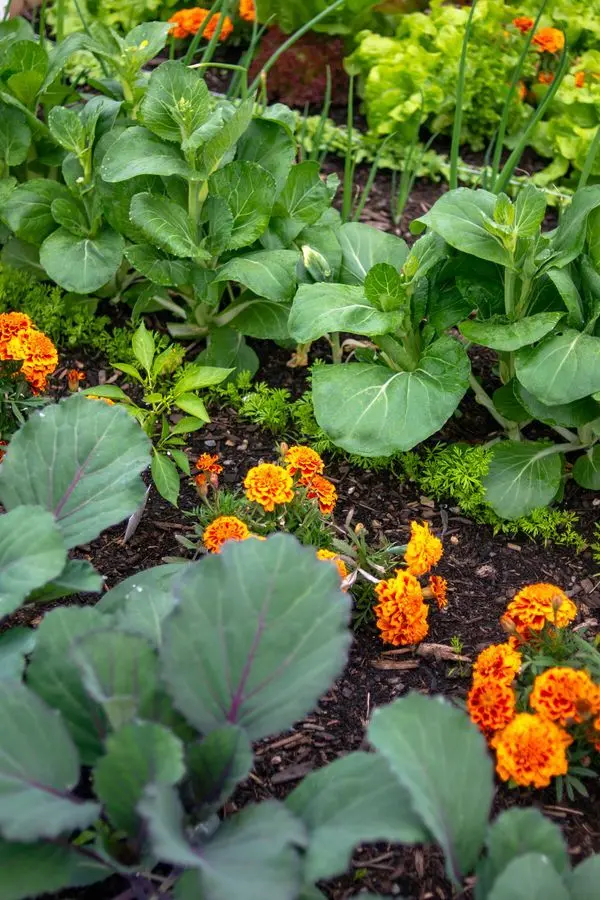
Mulch is one of the most valuable tools for Arizona homeowners.
A layer of mulch helps:
- Reduce water evaporation
- Keep soil temperatures more consistent
- Suppress weeds
- Improve soil quality as it breaks down
Wood chips, bark mulch, and composted organic materials work well in many Arizona landscapes. During the summer months, mulch can make a noticeable difference in helping plants survive extreme heat.
Be Careful Not to Overwater
Many people assume Arizona plants need constant watering because of the heat. In reality, overwatering can be just as harmful as underwatering.
When soil remains too wet, roots can struggle to get oxygen, leading to disease and poor plant health.
Instead of watering lightly every day, focus on deep, less frequent watering that encourages roots to grow deeper into the soil. This helps plants become more resilient during hot weather.
Watch for Soil Compaction
Arizona soils, especially clay soils, can become compacted over time.
Compacted soil makes it difficult for:
- Water to penetrate
- Roots to expand
- Air to reach plant roots
Avoid walking on planting beds whenever possible and consider loosening compacted areas before planting. Adding organic matter can also help reduce compaction naturally.
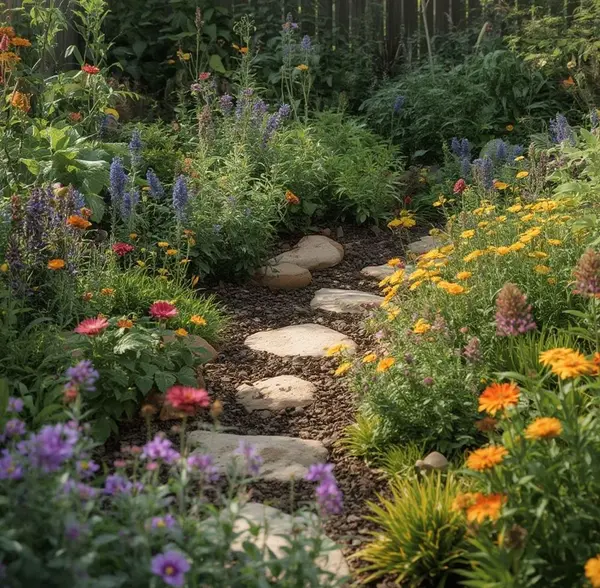
Choose Plants That Match Arizona Conditions
One of the smartest gardening strategies is choosing plants that naturally thrive in Arizona's climate.
Native and desert-adapted plants typically require:
- Less water
- Less maintenance
- Fewer soil amendments
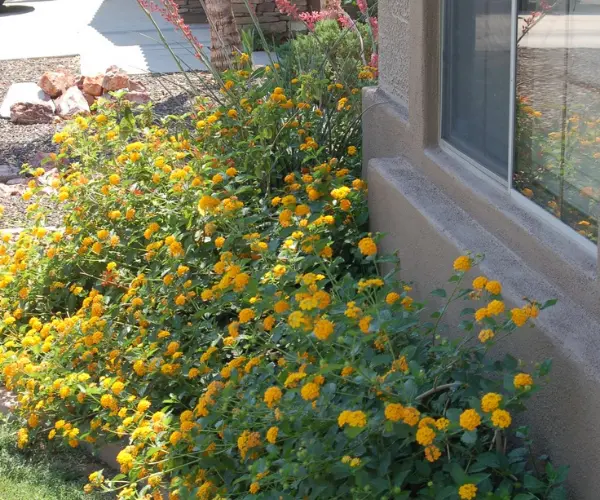
Many homeowners find success with native shrubs, cacti, succulents, and drought-tolerant perennials that are already adapted to local soil conditions.
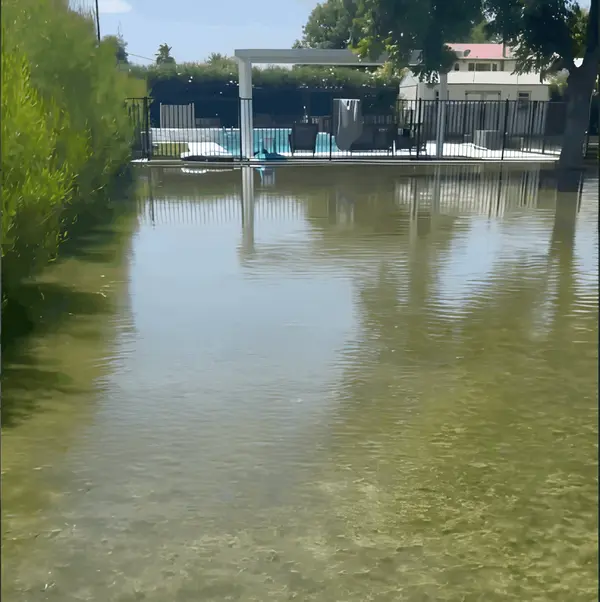
Pay Attention to Soil Drainage
Poor drainage can quickly lead to plant problems.
After watering or rainfall, observe how long water remains in your planting areas. If water pools for extended periods, your soil may need amendments or improved grading.
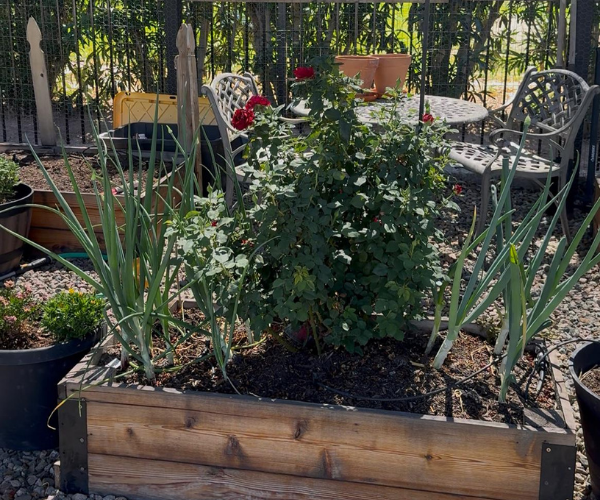
Raised garden beds can be a great solution for areas with drainage challenges, allowing you to create an ideal growing environment while giving roots better access to oxygen.
Feed Your Soil, Not Just Your Plants
Healthy plants start with healthy soil.
Rather than relying solely on fertilizers, focus on building long-term soil health through compost, mulch, and proper watering practices. A healthy soil ecosystem supports stronger root systems, better nutrient absorption, and more resilient plants.
The goal isn't just to grow plants this season, it's to create soil that supports successful gardening year after year.
Final Thoughts
Arizona gardening comes with a learning curve, but understanding your soil can make all the difference. By improving soil structure, adding organic matter, using mulch, and choosing plants suited to our desert environment, you can create a healthier, more beautiful landscape with less frustration.
A little attention to your soil today can lead to stronger plants, lower water use, and a yard that thrives through Arizona's challenging seasons. Whether you're planting a vegetable garden, refreshing your landscaping, or simply trying to keep your plants healthy, investing in your soil is always worth it.
Categories
Recent Posts